


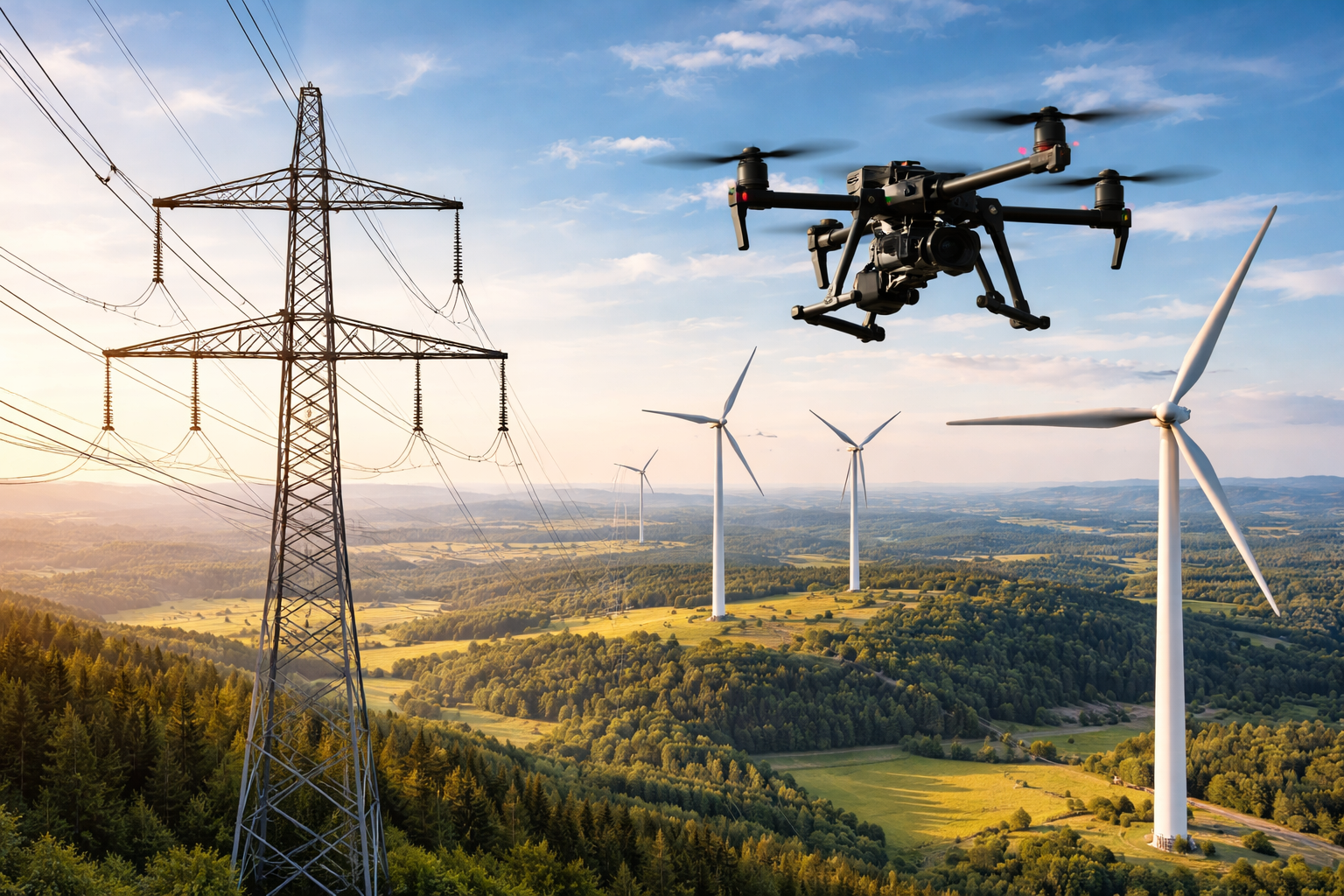
Drones in Energy and Critical Infrastructure Inspection (2026)
(Global Analysis – Operations, Safety & ROI)
— Analysis by Gürkan Bal
Founder & Editor | UAV Intelligence
⚡ The Shift: From Manual Inspection to Data-Driven Monitoring
Energy and infrastructure inspection is one of the most critical and high-cost operations in modern industry.
Traditional inspection methods:
- manual field checks
- rope access teams
- helicopters
- shutdown-based maintenance
👉 slow, expensive and high-risk
With drone technology:
👉 inspection becomes faster, safer and data-driven
⚡ Key Energy Applications
Drone systems are widely used across energy sectors:

🔌 Power Line Inspection
- transmission line monitoring
- insulator inspection
- vegetation encroachment detection
👉 prevents outages and failures
🌬️ Wind Turbine Inspection
- blade crack detection
- erosion analysis
- lightning damage inspection
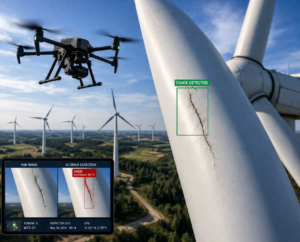
👉 reduces turbine downtime significantly
☀️ Solar (PV) Plant Inspection
- thermal hotspot detection
- panel efficiency analysis
- fault identification

👉 increases energy production efficiency
🛢️ Oil & Gas Infrastructure
- pipeline monitoring
- leak detection
- refinery inspection
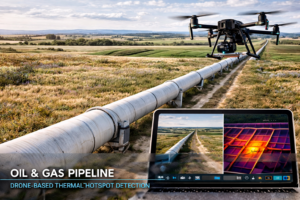
👉 reduces environmental risk
🏗️ Critical Infrastructure Inspection
Drone inspection is essential for:
- bridges
- dams
- railways
- highways
- industrial facilities
Key Benefits:
- access to hard-to-reach areas
- reduced need for scaffolding
- real-time data collection
- improved safety
👉 Drone = inspection without human risk
🔬 Inspection Technologies

🌡️ Thermal Imaging
- detects heat anomalies
- identifies energy loss
- finds faulty components
⚡ Corona Discharge Detection
- detects electrical leakage
- prevents energy loss
- identifies invisible faults
📡 LiDAR and 3D Mapping
- structural analysis
- deformation detection
- digital twin integration
🧠 AI-Based Analysis
- automatic fault detection
- anomaly recognition
- predictive maintenance
👉 Drone + AI = smart inspection systems
💰 Business Value and ROI
The biggest value of drone inspection is:
👉 downtime reduction
Traditional vs Drone Inspection
- faster inspection (hours vs days)
- lower operational costs
- minimal disruption
Key Economic Impact
- reduces maintenance cost
- prevents system failures
- increases operational uptime
👉 In energy sector:
1 hour of downtime = massive financial loss
⚠️ Regulations and Safety Requirements
Drone inspection operations are regulated by:
- Federal Aviation Administration
- European Union Aviation Safety Agency
Key requirements:
- licensed pilots
- BVLOS permissions
- safety protocols
- insurance compliance
🚀 Future: Autonomous Inspection Systems
The future of inspection is autonomous:

- scheduled drone patrols
- automated fault detection
- integration with digital twin systems
Emerging Trends:
- drone-in-a-box systems
- 24/7 monitoring
- AI-based maintenance planning
👉 Inspection is becoming:
✔ continuous
✔ automated
✔ predictive
🎯 Conclusion
Drone technology is transforming energy and infrastructure inspection into:
- safer operations
- faster processes
- data-driven systems
- cost-efficient solutions
👉 Inspection is no longer reactive—
it is predictive and intelligent
🔗 Continue
👉 Drone Inspection Market, ROI and Infrastructure Analysis (2026) →
👉 Thermal vs RGB Inspection: Which One is Better? →
👉 Wind Turbine Drone Inspection Guide →
👉 Power Line Inspection Systems and Technologies →
— Analysis by Gürkan Bal
Founder & Editor | UAV Intelligence