

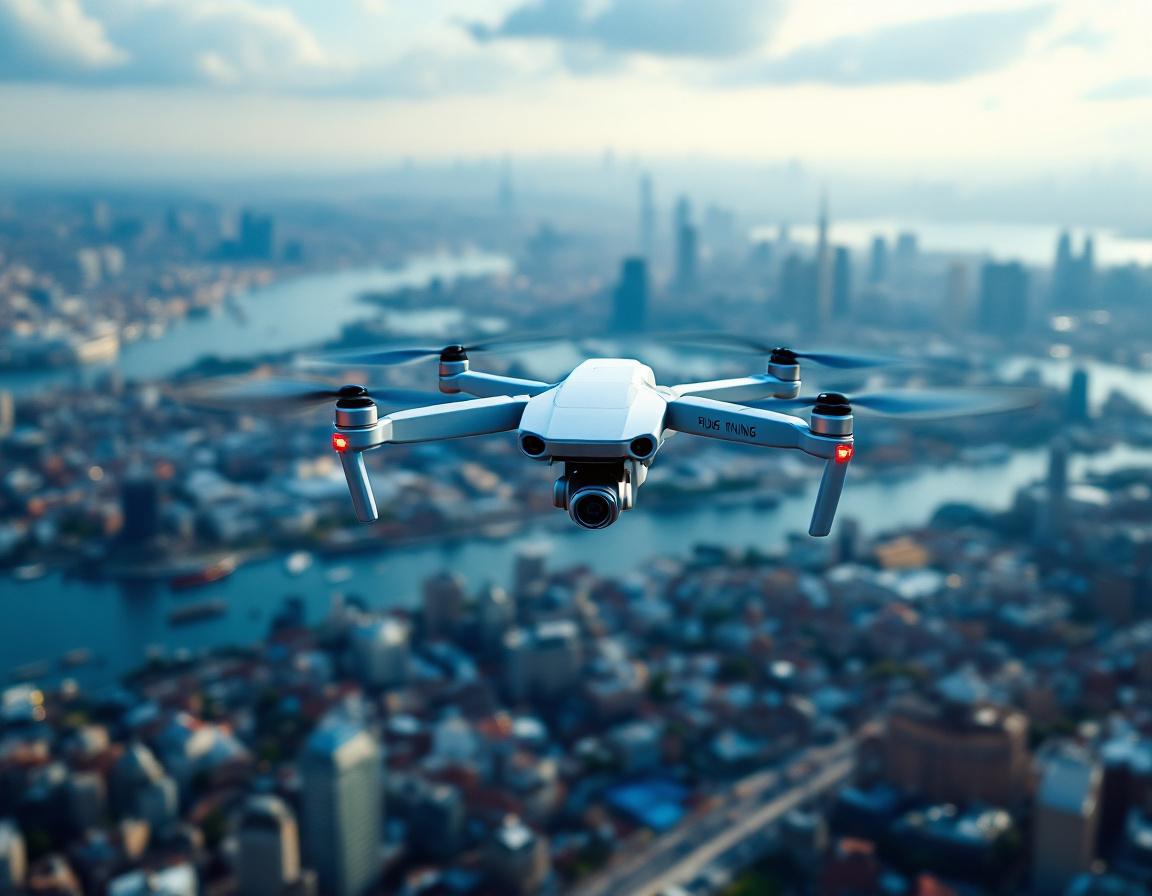
Turkey has exceeded 1.65 million licensed drone pilots, marking one of the fastest expansions in the global UAV ecosystem, with applications rising by 236% in early 2026.
Turkey has become one of the fastest growing drone pilots Turkey markets, exceeding 1.65 million licensed operators.
Ankara — March 2026
Türkiye has reached a new milestone in its unmanned aerial systems (UAS) ecosystem, with the number of licensed drone pilots surpassing 1.65 million, according to official data released by the Ministry of Transport and Infrastructure.
The announcement marks one of the largest nationally registered drone pilot bases globally, highlighting the country’s rapid expansion in both civilian and dual-use drone capabilities.
📊 Key Figures (as of March 17, 2026)
- Licensed Drone Pilots: 1,655,918
- New Applications (2026 YTD): 54,075
- Growth Rate: +236% (year-on-year, first quarter comparison)
- Registered Active UAVs: 77,616
- New UAV Registrations (2026 YTD): 1,091
These figures were confirmed by Minister Abdulkadir Uraloğlu in an official statement on March 22, 2026.
🚀 A Rapidly Expanding Civil Drone Ecosystem

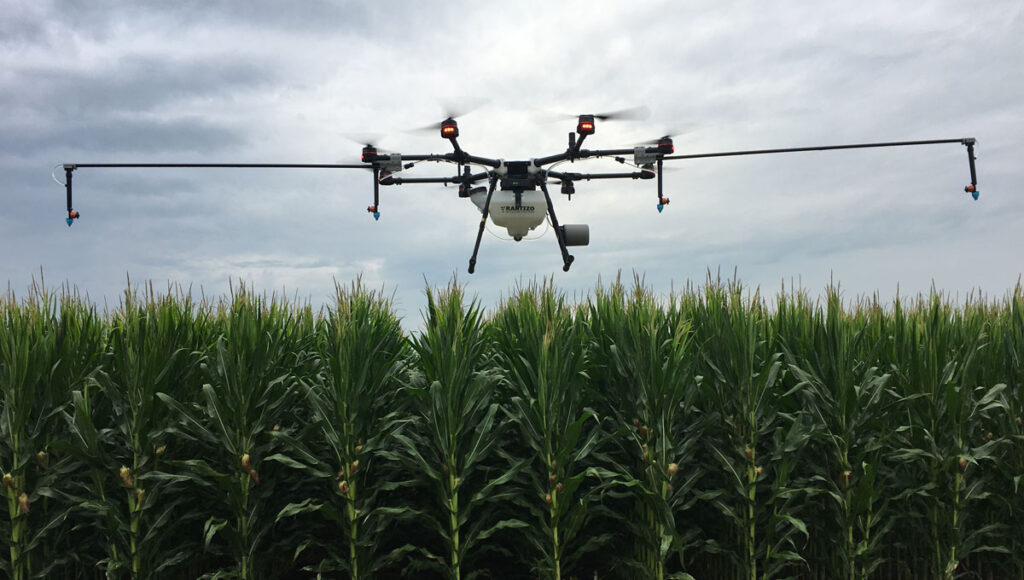
- Precision Agriculture: Crop spraying, multispectral monitoring, yield optimization
- Infrastructure & Energy: Thermal inspection of power lines and solar farms
- Geospatial Engineering: LiDAR and photogrammetry for high-resolution mapping
- Logistics & Healthcare: Time-critical delivery of medical supplies
- Construction & Mining: Site monitoring and volumetric analysis
- Media Production: Cinematic FPV and aerial imaging
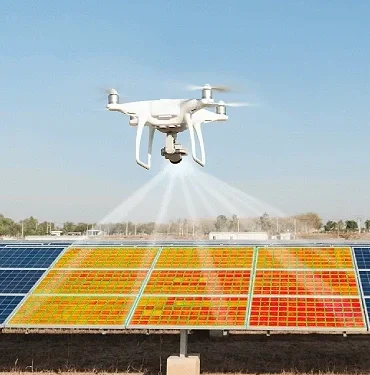

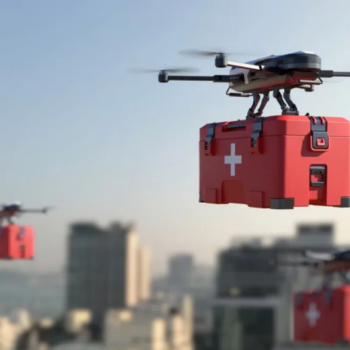
According to the Ministry, the diversification of drone use cases has significantly contributed to the rise in pilot demand.
⚙️ Regulatory Backbone: A Scalable Model

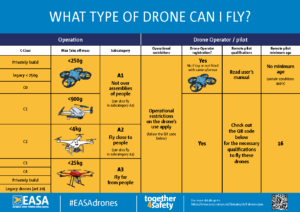
Key regulatory features include:
- Mandatory registration for UAVs weighing 500 grams and above
- Tiered licensing system (İHA0, İHA1, etc.)
- Minimum pilot age: 12 (İHA0 category)
- Streamlined digital registration and flight permission system
- Separation of hobby and commercial operations
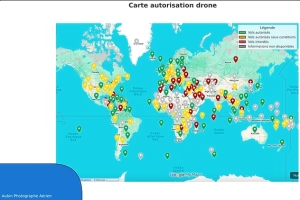
This structured yet accessible system has enabled rapid onboarding of new users while maintaining operational oversight.

🌍 Global Context: Scale vs. Structure
While direct comparisons remain complex due to differing regulatory definitions, Türkiye’s figures stand out:
- The United States reports approximately 480,000 certified remote pilots
- The European Union has over 1.6 million registered drone operators (operator-based system)
Türkiye’s 1.65 million licensed pilots places it among the most significant national UAV human capital pools globally—particularly notable for being concentrated within a single regulatory system.
🧠 Strategic Implications
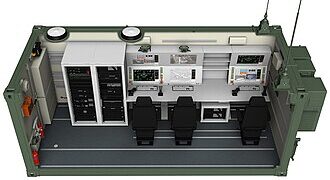
The scale of Türkiye’s drone pilot base suggests long-term implications beyond civilian use:

- Workforce readiness for emerging sectors such as urban air mobility (eVTOL)
- Dual-use capability development linking civil and defense ecosystems
- Expansion of autonomous logistics networks
- Integration into counter-drone and airspace security frameworks

This human capital foundation may position Türkiye as a key player in next-generation aerial mobility and unmanned systems operations.
👤 Human Factor: From Training to Operational Excellence
Beyond numbers, the ecosystem reflects a growing culture of professionalization.
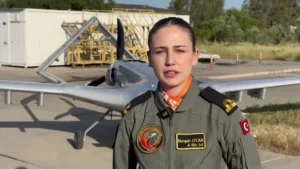
Profiles such as naval UAV operators flying systems like AKSUNGUR demonstrate how training pipelines extend from civilian certification to advanced operational roles, including NATO-aligned missions and joint exercises.
📌 Editorial Note
Türkiye’s 236% surge in applications is not an isolated spike, but part of a broader structural shift driven by regulatory accessibility, sectoral demand, and technological adoption.
The country is not only expanding its drone fleet—but systematically building one of the world’s most scalable UAV human infrastructures.
Bu gönderiyi Instagram’da gör
— Analysis by Gurkan Bal
Founder & Editor | UAV Intelligence